
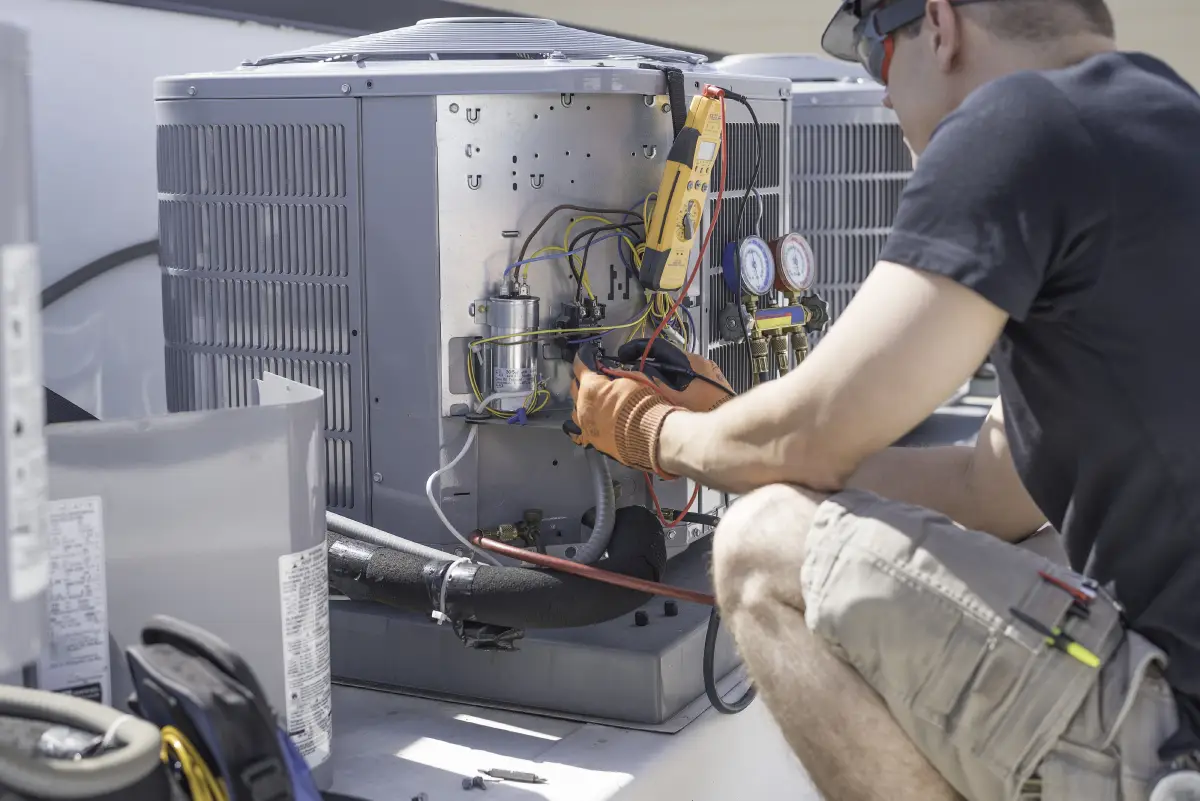
Every property owner in Boston has had that one system that just won't stay fixed, and if a property inspection routine hasn't caught it yet, it's worth a closer look before winter puts more strain on it. A single repair rarely changes much. A repair that keeps happening on the same system, though, is usually the property telling you something you haven't fully heard yet.
Boston's rental stock spans triple-deckers from the early 1900s to newer condo conversions, and both extremes carry the same lesson. Systems age, and aging systems start asking for attention more often before they finally give out.
Key Takeaways
- A repeat repair on the same system almost always signals something bigger than the individual fix
- Reviewing repair history over time reveals which systems are approaching failure
- Budgeting ahead of a replacement protects cash flow better than reacting to an emergency
- A dependable vendor network catches patterns faster than a rotating cast of one-off contractors
- Small, planned upgrades now cost far less than a full system failure later
Why One Repair Rarely Tells the Whole Story
A leaking pipe fitting or a tripped breaker feels like an isolated event the first time it happens. It's only after the second or third visit for the same kind of problem that owners start asking whether something bigger is going on.
Nationally, the median age of owner-occupied homes is 41 years, and Boston's housing stock skews even older in many neighborhoods. Plumbing, wiring, and heating systems installed decades ago weren't built to last forever, and repeat repair calls are often the first visible sign that they're catching up to their age.
Reading the Signal Correctly
A second call about a slow drain might mean a partial blockage further down the line rather than a fluke clog. A second call about a flickering light might point to failing wiring rather than a bad bulb. Treating each visit as unrelated means missing what they're showing you together.
From Panic Calls to a Plan You Can Trust
Nothing eats into an owner's patience faster than an emergency repair call at an inconvenient hour, especially when it's the second or third time this year for the same issue. Getting ahead of that starts with building a stronger vendor relationship instead of calling whoever's available at the moment.
Vendors who see a property repeatedly are often the ones best positioned to flag a developing pattern before an owner does, since they're the ones standing in front of the failing system each time.
What a Strong Vendor Relationship Changes
A contractor who knows your property's history can tell you whether this repair is routine or the third sign of a bigger problem. That context is worth more than a faster response time alone.
Turning Repair History Into a Budgeting Tool
Repair records aren't just receipts to file away. Reviewed together, they show which systems are aging fastest and which ones are likely to need replacement in the next year or two.
According to the Joint Center for Housing Studies of Harvard University, homeowners spent an estimated $503 billion in 2024 on remodeling and repair projects, underscoring just how much of the nation's aging housing stock requires ongoing reinvestment rather than one-time fixes.
Owners who build a simple habit of reviewing repair history every few months tend to spot these trends long before a full breakdown forces the issue.
Patterns Worth Tracking
- Repeated plumbing issues concentrated in one part of the property
- HVAC repairs clustering around the same seasonal change each year
- Appliance failures happening closer together over time
- Roof or exterior repairs following storms with increasing frequency
Some Signals Are Easy to Miss Without Data
Not every warning sign is obvious to a tenant or even to an owner walking through the property occasionally. Some of the subtler signs that a Boston rental is heading toward a bad year only show up when repair records are compared side by side over time.
A single small leak might not seem worth flagging. Three small leaks across three different months, in three different fixtures, tells a very different story about the plumbing system as a whole.
Why This Matters More for Older Buildings
Older Boston properties often have systems that were updated piecemeal over the decades rather than all at once. That patchwork history makes pattern-spotting even more valuable, since a repair in one section doesn't guarantee the rest of the system is in similar shape.
Weighing Repair Costs Against the Cost of Waiting
At some point, repeated small repairs cost more in total than the replacement would have. Labor, materials, and scheduling fees add up quickly, and emergency after-hours rates make each visit more expensive than a planned appointment would be.
Owners who wait until a system fails completely typically pay more overall than those who replace it on their own schedule. A free rental analysis can help put real numbers behind that decision instead of relying on a hunch.
Questions Worth Asking Before the Next Repair Call
Is this the second or third repair on this system this year? Has the cost per visit gone up? Is the system old enough that replacement parts are getting harder to source? Answering these honestly usually points to the right decision.
Protecting Your Property While You're Away
For owners who split time between Boston and elsewhere, staying on top of a developing repair pattern is harder without eyes on the property regularly. Consistent home watch services give absentee owners the same visibility that a hands-on owner would have, catching small issues before they turn into a pattern worth worrying about.
Making Informed Decisions With the Right Support
Recurring repairs deserve more than a quick fix each time they show up. They deserve a second look at the bigger picture, backed by real data and a clear sense of what typically comes next for a system that is aging.
Boston owners can find helpful context in our resources built for property owners, covering what to expect as properties age and how to plan around it responsibly.
FAQs about Recurring Repairs in Boston, MA
Is it normal for older Boston triple-deckers to need more frequent repairs?
Yes, especially for plumbing and electrical systems original to the building. Age alone doesn't mean something's wrong, but repeated repairs on the same system usually mean it's approaching the end of its useful life.
How do I know if my contractor is recommending the right fix?
A good contractor explains why a repair keeps failing, not just how they fixed it this time. If the same problem returns despite repeated fixes, ask directly whether repair or replacement makes more financial sense long term.
Can I spread the cost of a major system replacement over time?
Yes, many owners set aside a portion of monthly rental income specifically for anticipated system replacements. Reviewing repair history early gives you enough lead time to save gradually instead of scrambling for the full amount at once.
What's the risk of ignoring a pattern of small repairs?
Small repairs left unaddressed can lead to larger damage, like water intrusion affecting flooring or drywall. Ignoring the pattern often turns a moderate repair bill into a much larger one once secondary damage sets in.
Should tenants be told when a repair pattern is being monitored?
It helps to let tenants know you're aware of the issue and working toward a permanent solution. Transparency reduces frustration and tends to keep tenants patient while you plan the right long-term fix.
The Repair Habit That Saves Boston Owners Real Money
Contractors talk. Ask around Boston property circles, and you'll hear the same story about owners who kept approving one more repair until the total quietly outpaced what a replacement would've cost. PMI of Greater Boston helps owners across the city catch that shift earlier, coordinate contractors who already know the property's history, and time replacements before another season of emergencies sets in.
Start planning your maintenance strategy and see what your repair history says about what's coming next.